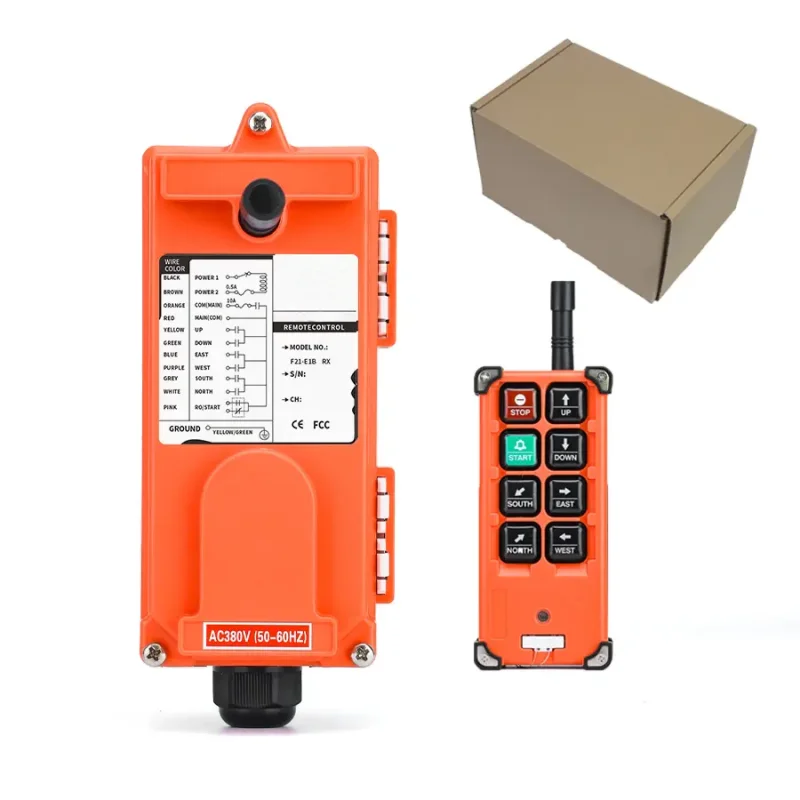
Industrial remote-control selection requires a clear definition of operator commands, receiver interfaces and safe machine behavior. Prepare the following information before comparing systems.
1. Create a command and output table
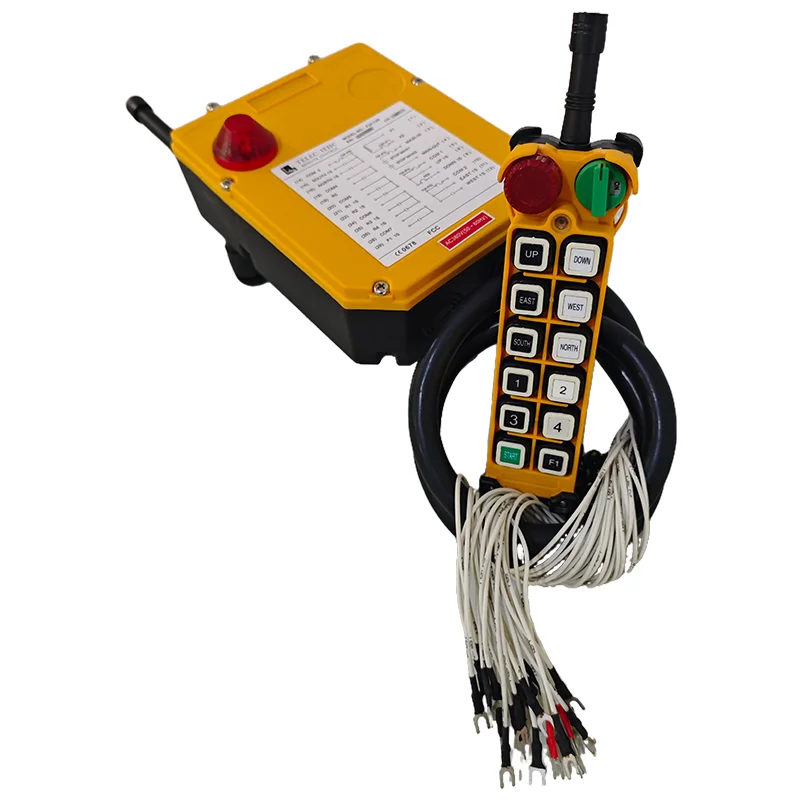
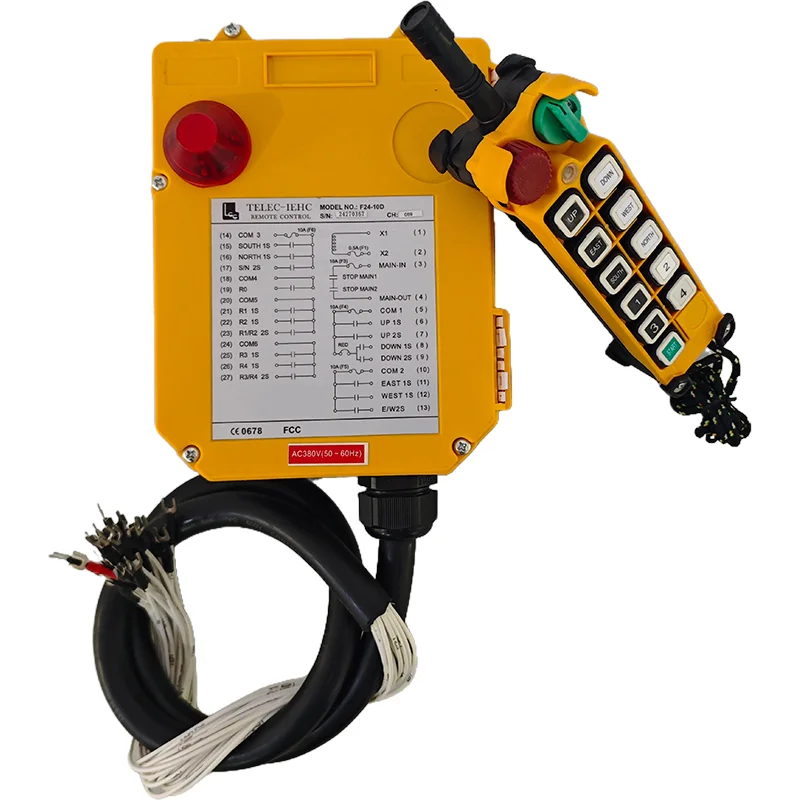
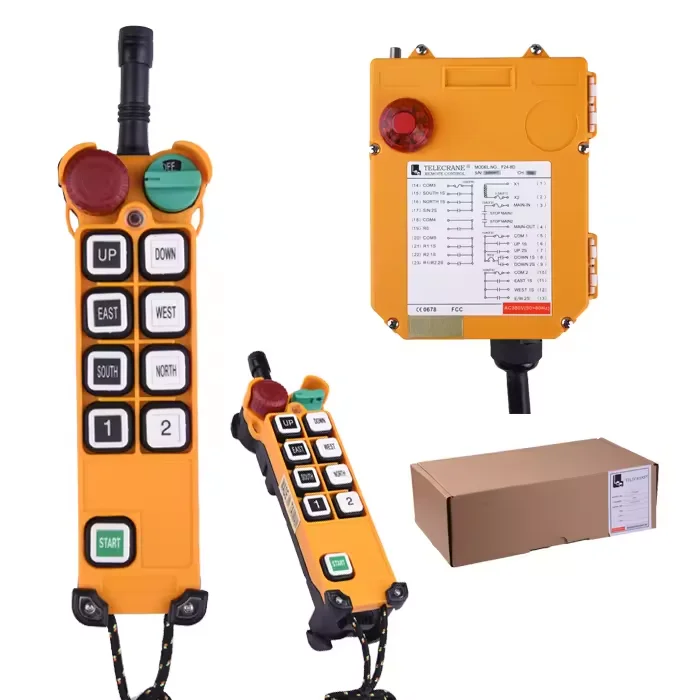
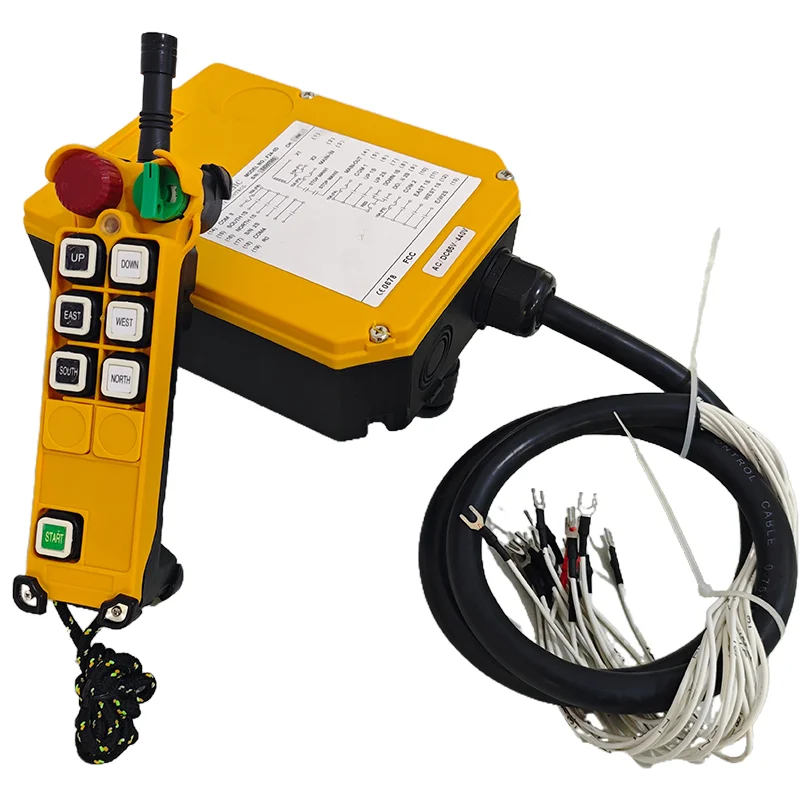
List each transmitter button or selector and the exact receiver action. Identify momentary, maintained, interlocked, one-speed, two-speed and proportional functions, as well as commands that may operate simultaneously.
2. Define transmitter requirements
Specify the number of buttons, emergency stop, start or enable sequence, key switch, selector switches, indicators and expected operating time. Consider enclosure size, gloves, carrying method and charging or battery-management preferences.
3. Match the receiver interface
Provide receiver supply voltage and required output type, such as relay contacts or another control interface. Include the machine wiring diagram so outputs, common terminals and interlocks can be reviewed correctly.
4. Establish operating distance and radio conditions
State the required working range and describe buildings, steel structures, machinery, walls and other potential obstructions. For facilities with several remote systems, include the number of machines and whether they operate in the same area.
5. Describe the environment
Confirm indoor or outdoor use, temperature, humidity, dust, rain, vibration and potential impact. Receiver position, antenna arrangement and enclosure protection should suit the actual site.
6. Define loss-of-signal and emergency behavior
Document what every machine output must do if communication is interrupted, the transmitter is switched off or emergency stop is activated. These responses must align with the machine risk assessment and control-system design.
7. Plan backup operation and commissioning
Decide whether a wired pendant or local panel will remain available. Qualified personnel should install the receiver, verify direction and interlock logic, test stop behavior and document the commissioned system.
Information to send IEHC
Send the machine type, complete command table, receiver voltage, output requirements, operating distance, environment, safety behavior, backup-control method and quantity.