Selecting an electric chain hoist starts with the complete lifting task, not capacity alone. Use the following checklist to compare models and prepare an accurate inquiry.
1. Define the rated load
Confirm the heaviest load and include lifting fixtures, slings, spreader beams or other below-the-hook devices. Allow an appropriate engineering margin, but do not oversize unnecessarily because capacity affects dimensions, weight, speed and supporting structure requirements.
2. Measure lifting height and available space
Specify the required vertical hook travel, the distance from the supporting point to the highest hook position, and any restrictions around the machine. Low-headroom models are especially useful where maximum hook height is important.
3. Choose fixed or traveling operation
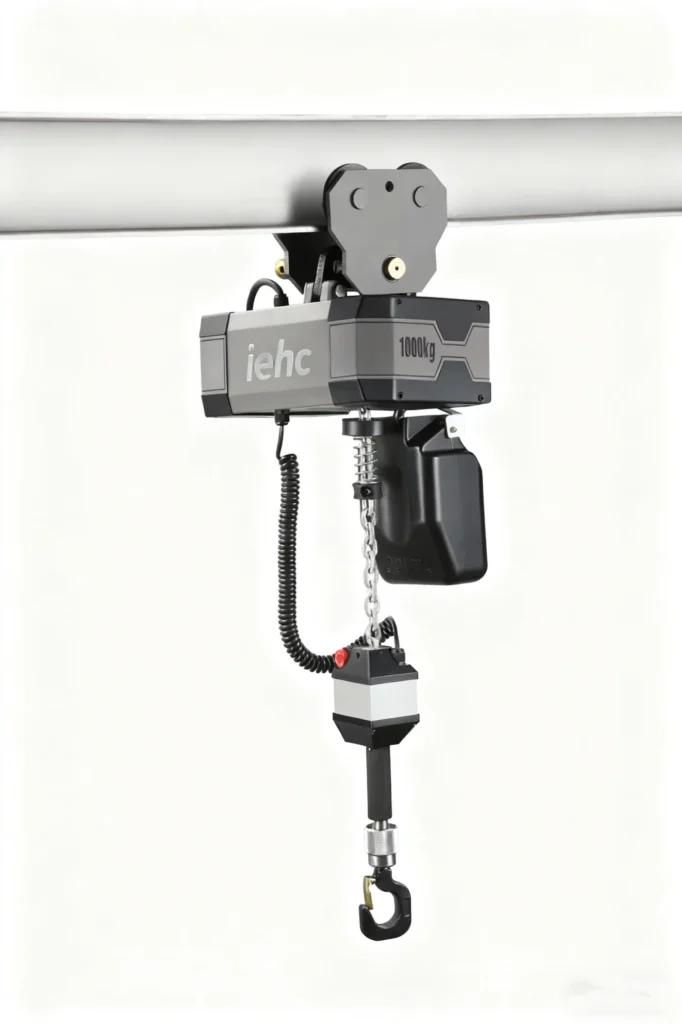
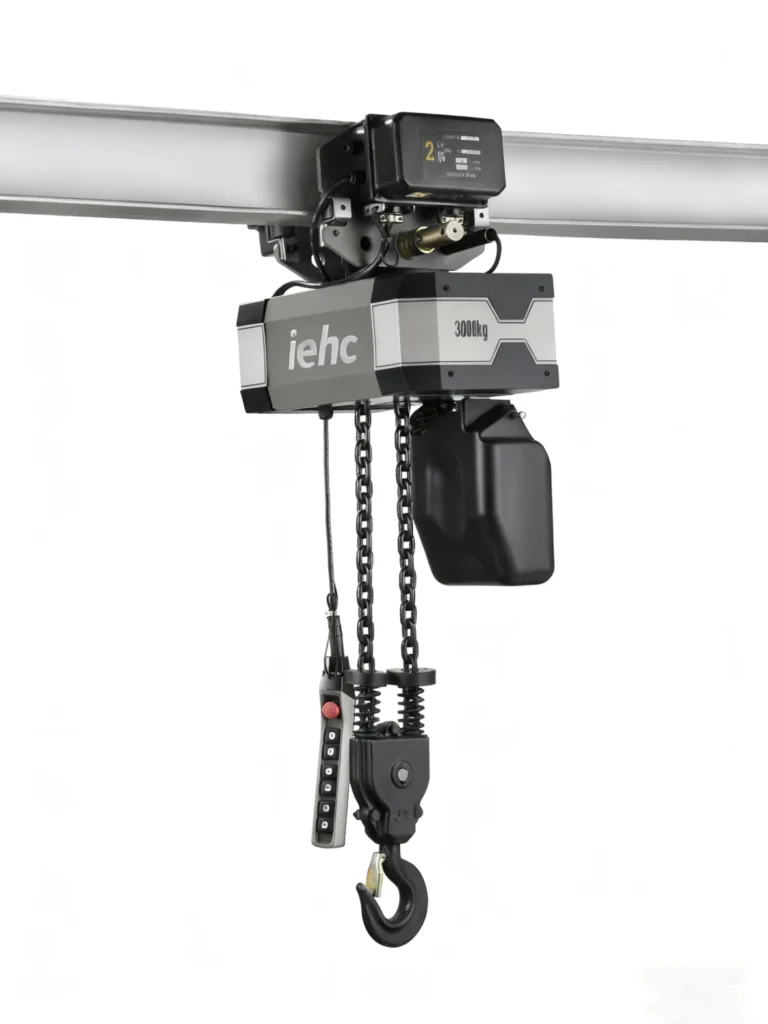
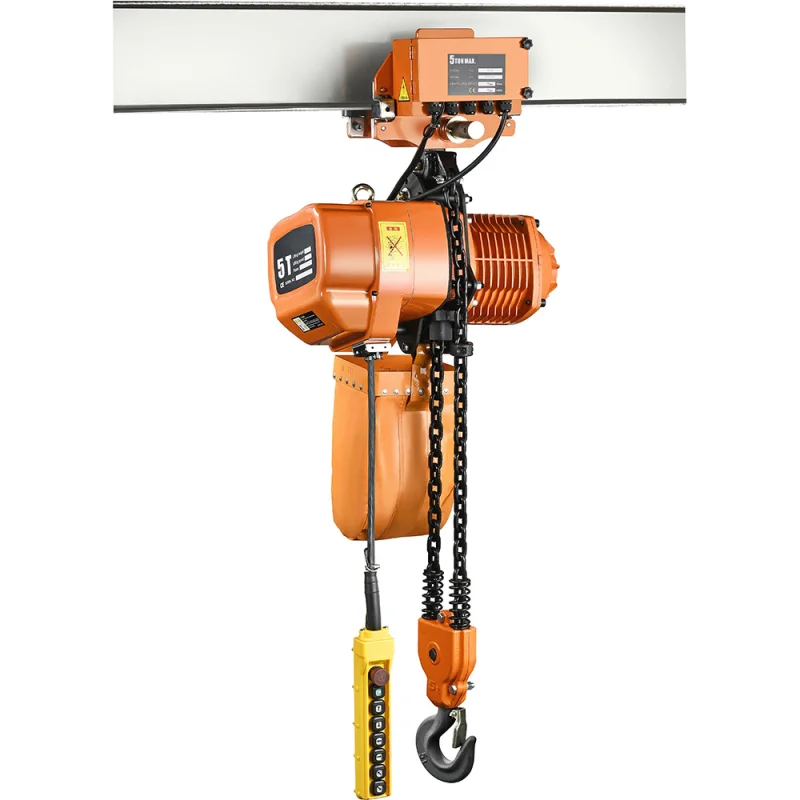
A fixed hoist lifts at one station. A running model adds horizontal movement along a beam. For traveling applications, provide beam flange width, beam profile, curve requirements, travel distance and preferred travel speed.
4. Determine duty and speed
Estimate lifts per hour, average load, daily operating time and whether long continuous runs are expected. State whether one lifting speed, dual speed or another operating profile is required. Duty information helps avoid selecting a hoist that is unsuitable for the workload.
5. Confirm electrical and control requirements
Provide supply voltage, frequency, phase and required control voltage. Also identify pendant, remote or integrated machine control, the number of functions and any interlocks required by the system.
6. Describe the operating environment
Include indoor or outdoor use, ambient temperature, humidity, dust, moisture, corrosive exposure and installation altitude. Special environments may require additional protection or a different product configuration.
7. Plan installation and maintenance
Verify that the supporting structure is designed for the hoist and dynamic load. Ensure access for chain inspection, lubrication, brake checks and electrical maintenance. Installation, commissioning and periodic inspection should be performed by qualified personnel.
Information to send IEHC
For a faster recommendation, send rated load, lifting height, headroom limit, fixed or traveling arrangement, beam dimensions, duty cycle, lifting speed, voltage, control method, environment and required quantity.

-1784530693.webp)


