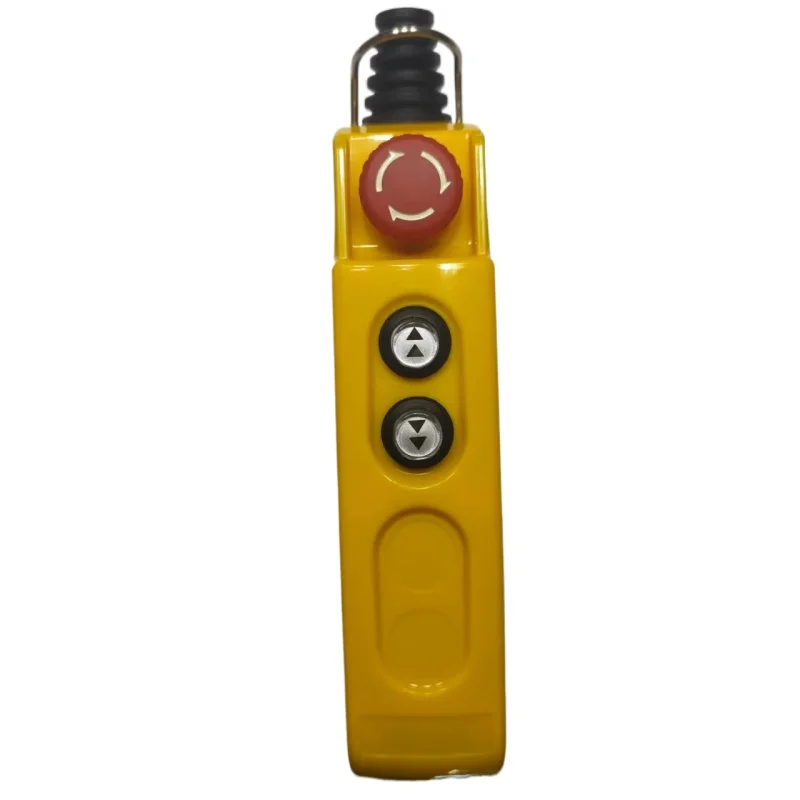
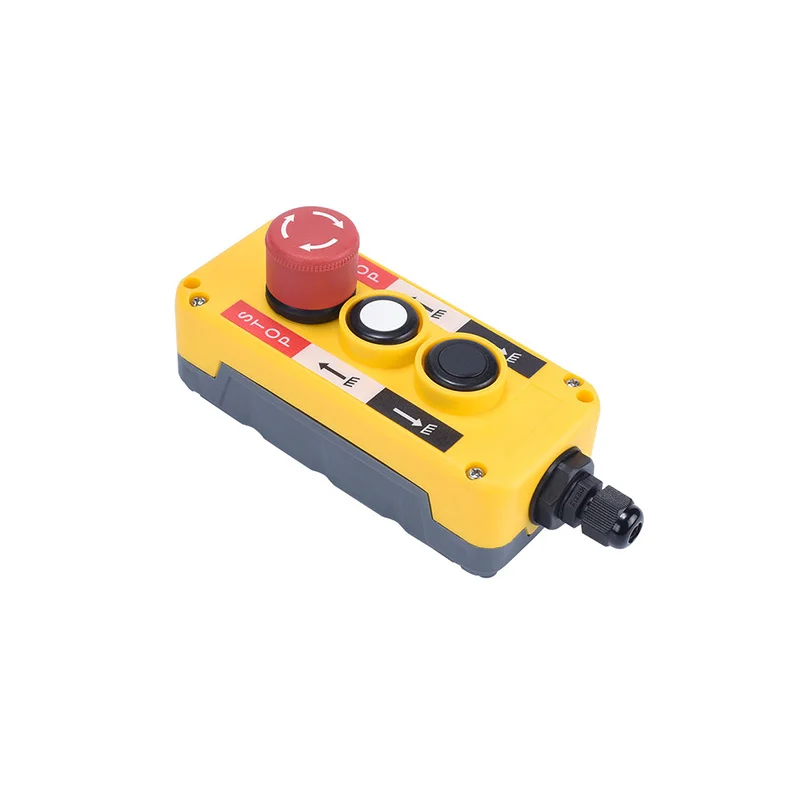
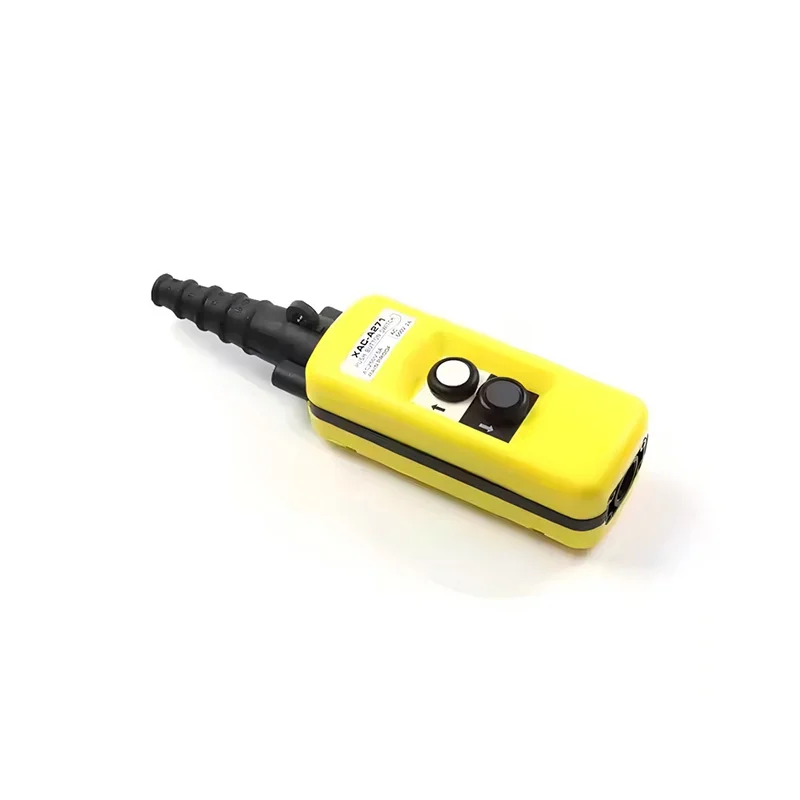
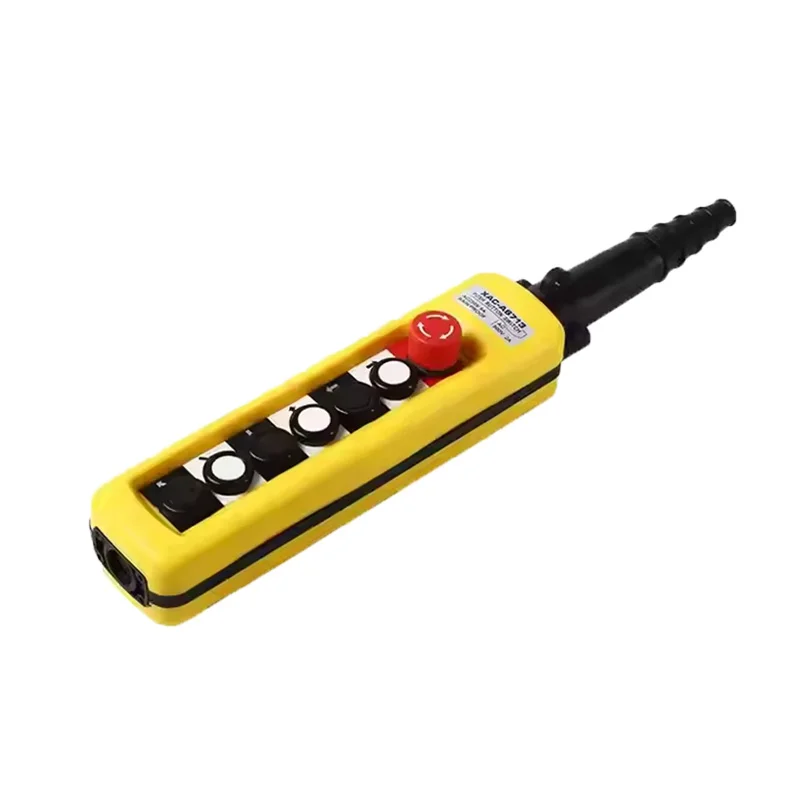
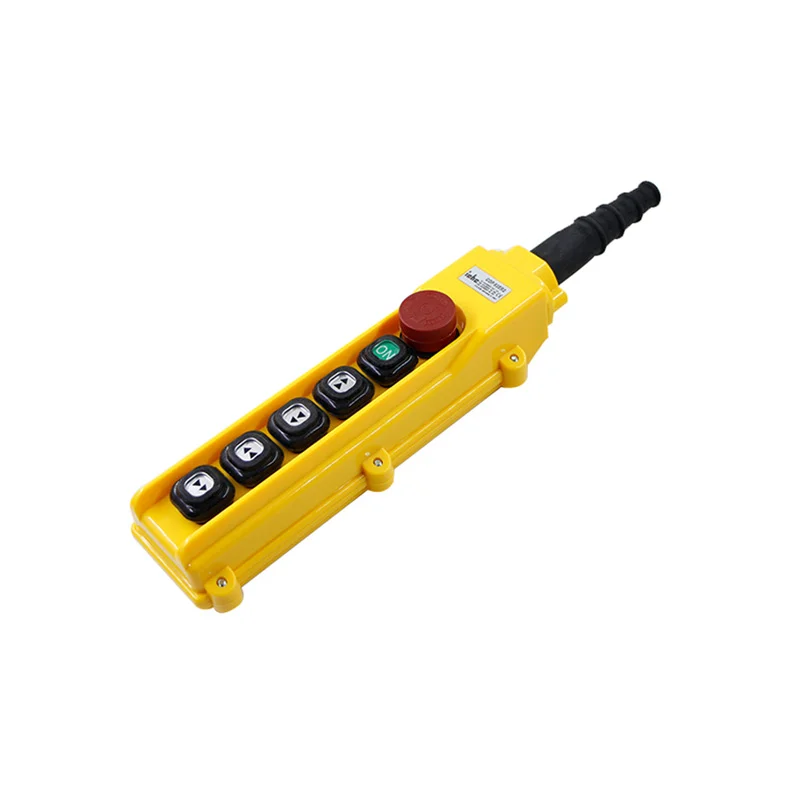
To select a replacement or new control handle, match the electrical circuit, operator functions and workplace conditions. Similar-looking pendants can have different contacts and ratings, so use the checklist below before ordering.
1. Identify every controlled motion
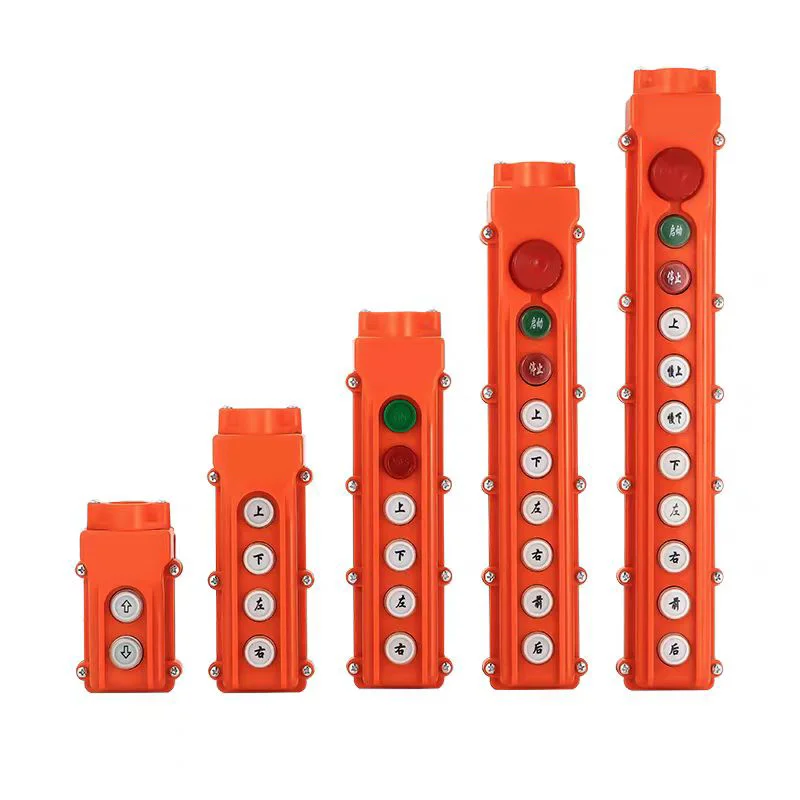
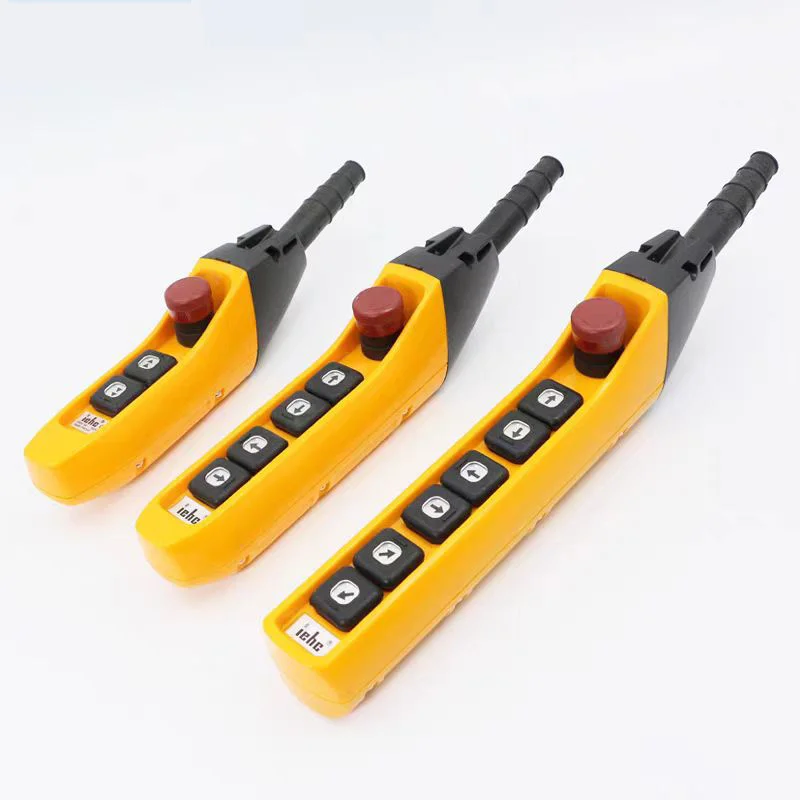
List lifting, lowering, trolley travel, bridge travel, hydraulic open/close and auxiliary functions. Note whether simultaneous commands are permitted and whether each motion is one-speed or multi-speed.
2. Choose the appropriate layout
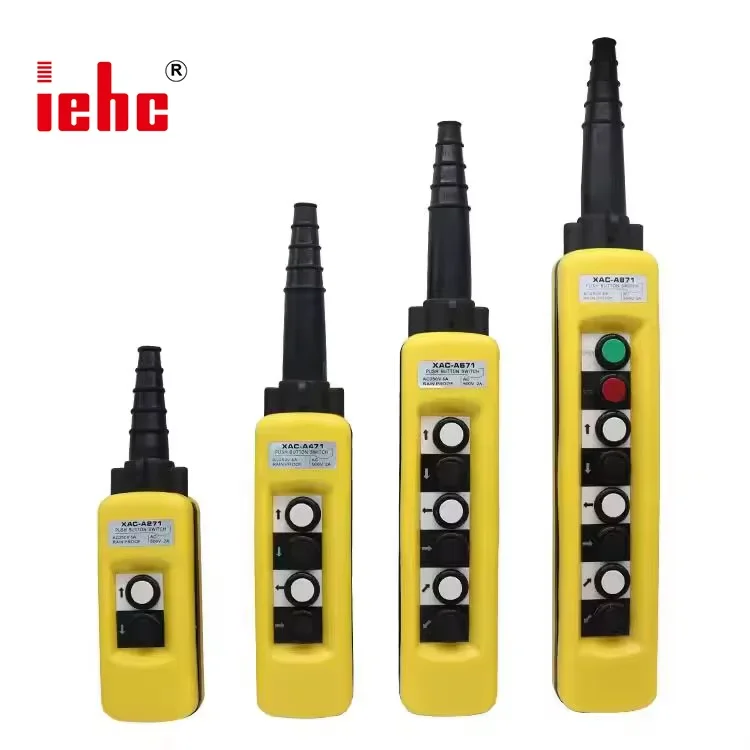
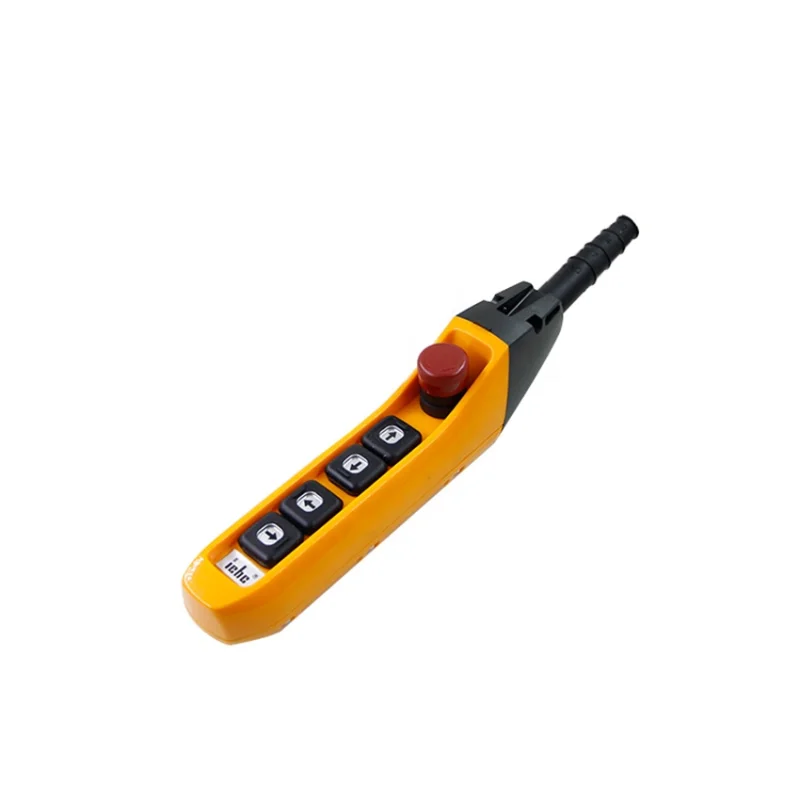
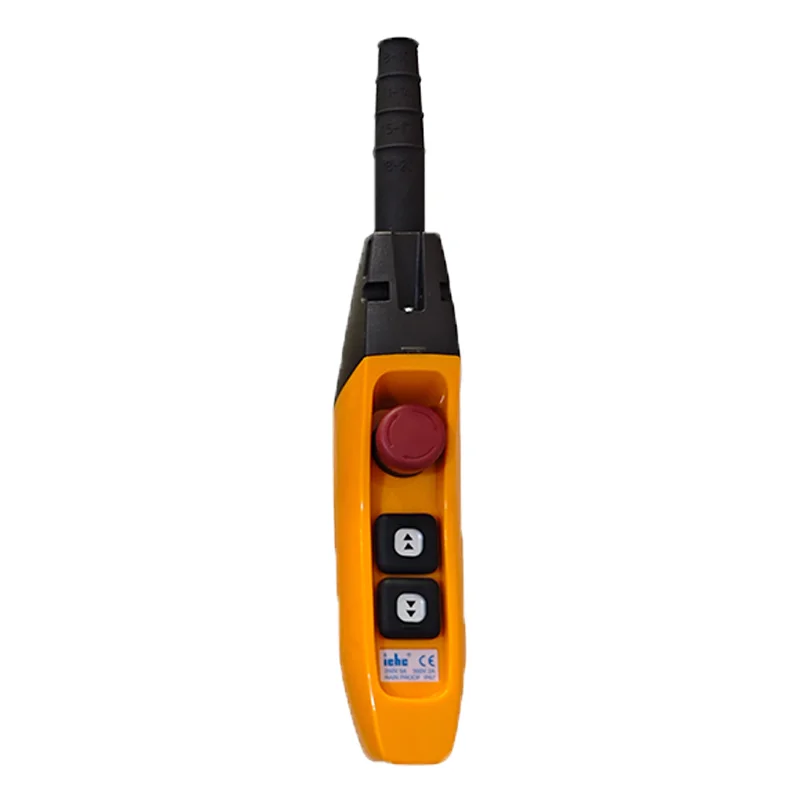
Select the number of buttons and arrange the most important functions clearly. Confirm emergency-stop, start or enable controls, selectors and any spare positions required for future functions.
3. Verify the electrical configuration
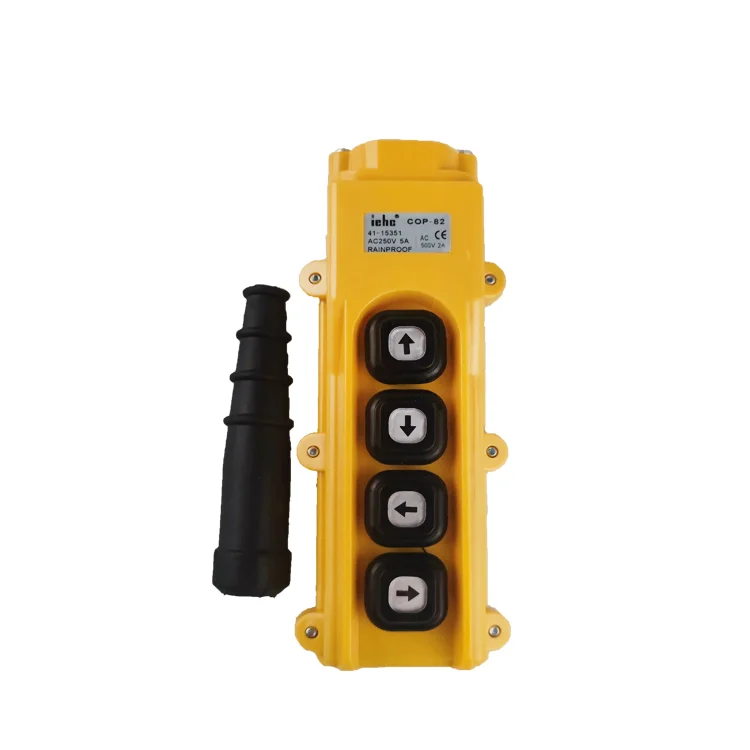
Record control voltage, contact ratings, normally open and normally closed requirements, contact sequence and the number of cable conductors. A wiring diagram is the best reference for matching a replacement handle.
4. Compare enclosure and cable details
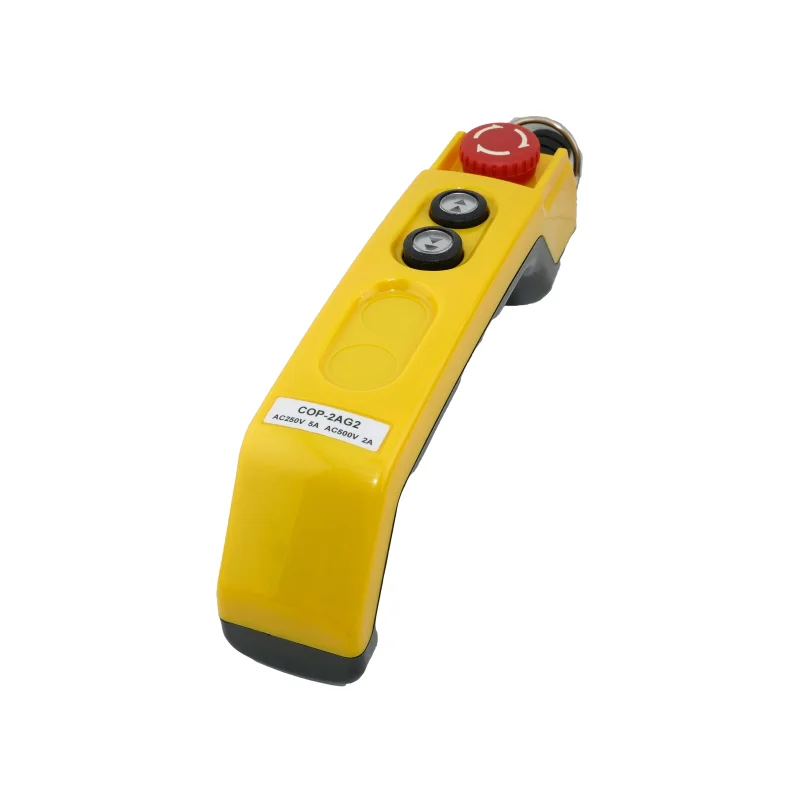
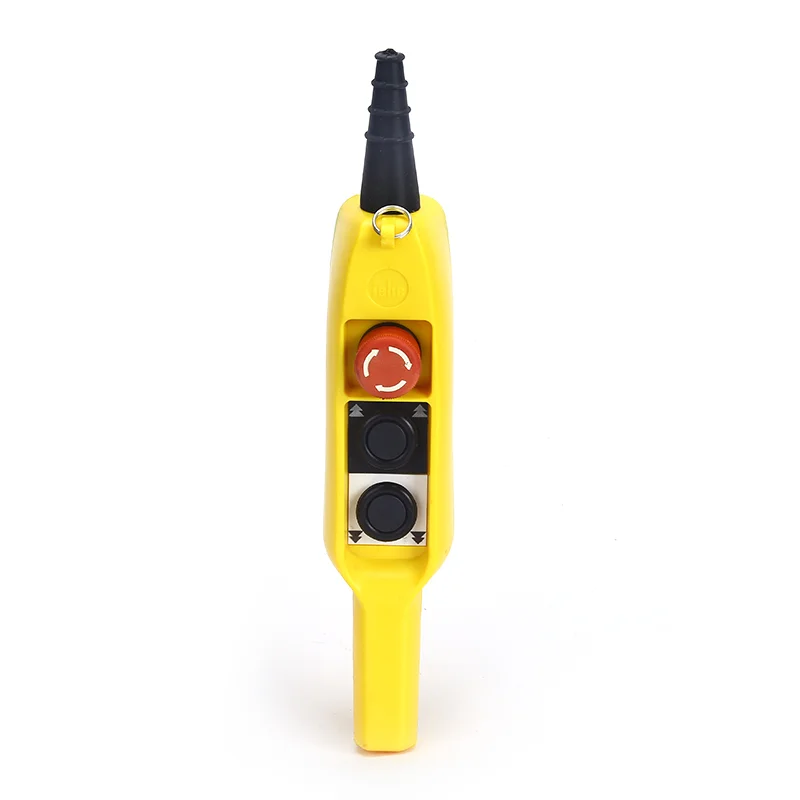
Check overall dimensions, grip style, cable-entry diameter, strain relief and mounting or suspension method. For an existing pendant, provide clear photos of the nameplate, terminals and internal wiring.
5. Match environmental protection
Describe rain, dust, oil, temperature, vibration and mechanical-impact exposure. Rainproof or industrial descriptions do not replace confirmation of the protection level needed for the installation.
6. Consider operator ergonomics
Button spacing, tactile feedback, legends and enclosure weight affect frequent operation. Confirm whether users wear gloves and whether controls must be identified in low-light or noisy environments.
7. Check system safety and commissioning
Verify emergency-stop behavior, interlocks, direction logic and restart prevention as part of the complete equipment risk assessment. Qualified personnel should install, test and document the final control functions before use.
Information to send IEHC
Provide the existing model, equipment type, function list, button count, speed stages, control voltage, contact diagram, cable cores, environmental conditions, photos and quantity.

-1789609689.webp)